

What Are Smartwatches?
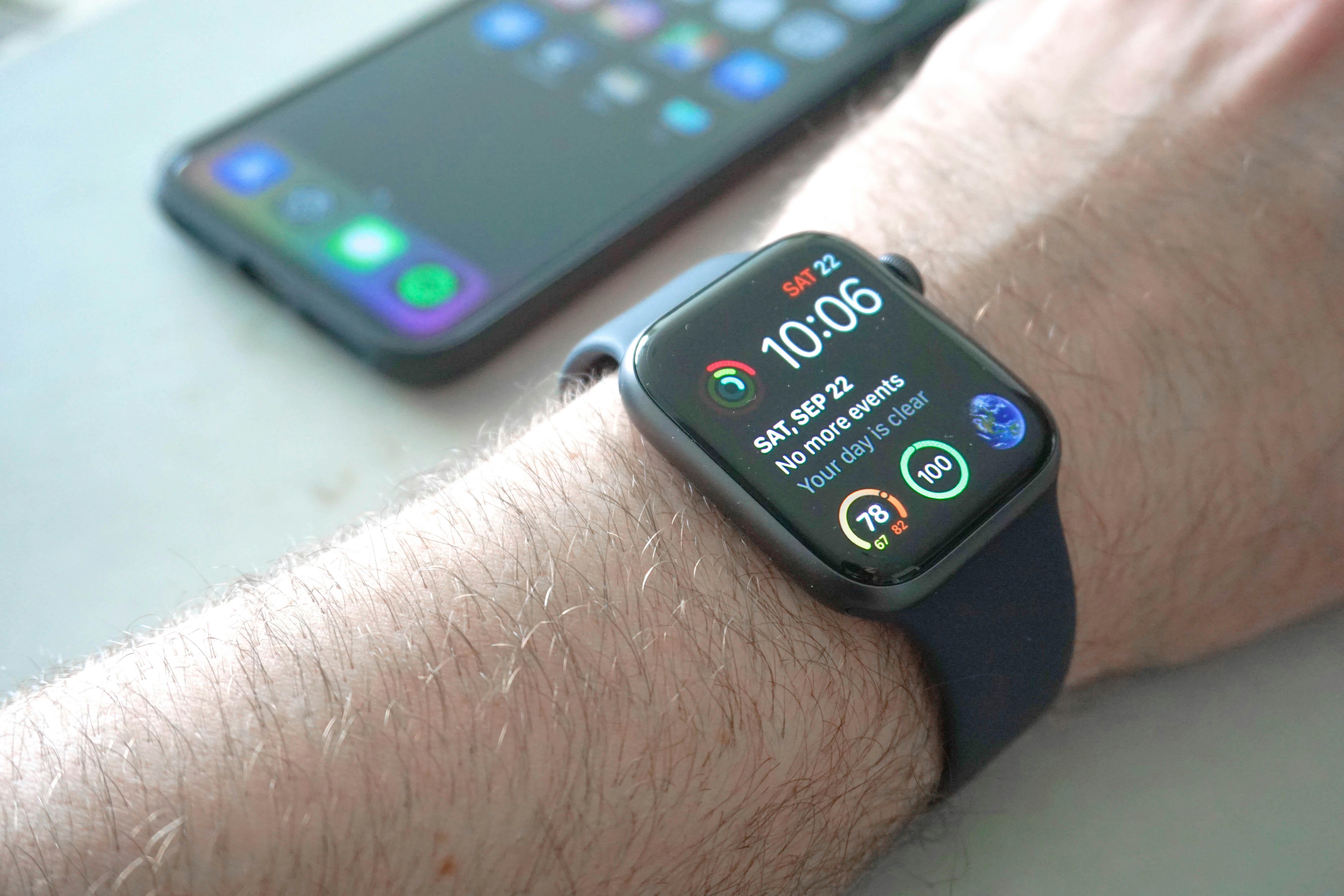
Smartwatches are advanced wearable devices that blend traditional wristwatch functionality with modern technology, enhancing user experience through a suite of features. Unlike basic digital watches that primarily display time, smartwatches integrate a range of applications and capabilities that cater to health, communication, and daily productivity. They serve as an extension of smartphones, enabling users to receive notifications, send messages, and access apps directly from their wrists.
One of the hallmark features of smartwatches is fitness tracking. This functionality allows users to monitor various metrics such as heart rate, step count, and calories burned, making them popular among fitness enthusiasts. Many smartwatches also come equipped with GPS, enabling more accurate tracking of outdoor activities like running or cycling. Users also appreciate the ability to set activity reminders and goals, making it easier to maintain a healthy lifestyle.
In addition to fitness functionality, smartwatches facilitate seamless connectivity with smartphones. Users can receive alerts for calls, texts, and social media updates without needing to check their phones. This convenience enhances multitasking capabilities, allowing individuals to stay informed while on the go. Furthermore, many smartwatches offer customizable watch faces and apps that allow for personal expression and tailor the device’s functionality to individual preferences.
In contrast to basic digital watches, smartwatches represent a significant leap in technological integration and personalization. While traditional timepieces focus solely on timekeeping, smartwatches provide users with the tools to manage their lives more effectively. With a blend of style and utility, these devices have become an essential accessory for many, showcasing the innovation in wearable technology.
History and Evolution of Smartwatches
The evolution of smartwatches is a fascinating journey that encompasses technological advancements, changing consumer preferences, and the emergence of various manufacturers in a relatively short timeframe. The concept of integrating timekeeping with technology can be traced back to as early as the 1980s when the first digital watches emerged. However, it wasn’t until the 1990s that the idea of a smartwatch began to take shape with devices like the Seiko Ruputer, which featured a small screen and could connect to a PC for basic data management.
As the new millennium approached, the transition from basic digital watches to more sophisticated smart devices became more pronounced. The introduction of the Microsoft SPOT (Smart Personal Object Technology) in 2004 marked a significant milestone, showcasing features such as weather updates, stock quotes, and other personalized information. However, widespread adoption was still hindered by technological limitations and a lack of consumer interest. It was only with the advent of smartphones that the concept of the smartwatch began gaining traction.
The true breakthrough came in 2012 with the emergence of the Pebble Watch, which successfully combined notifications from smartphones with traditional watch functionalities. Recognizing the potential, major technology companies including Apple and Samsung entered the market, culminating in the launch of the Apple Watch in 2015. This device not only accelerated the popularity of smartwatches but also set new industry standards with features like fitness tracking, app integration, and customizable designs.
As smartwatches continue to evolve, manufacturers now focus on health and wellness tracking, seamless connectivity, and aesthetic appeal, shaping the future of wearable technology. Overall, the historical trajectory of smartwatches reflects a continuous adaptation to consumer needs and technological possibilities, paving the way for a new generation of sophisticated devices that enhance daily life.
Benefits of Using Smartwatches
Smartwatches have revolutionized the way individuals engage with technology on a daily basis, providing a range of benefits that enhance convenience and connectivity. One of the most significant advantages of using a smartwatch is its ability to keep users updated with notifications and calls directly on their wrists. This feature allows for immediate access to important information without the need to reach for a smartphone, fostering enhanced productivity and reducing distractions.
In addition to convenience, smartwatches are equipped with advanced health monitoring capabilities. Many models include features such as heart rate monitoring, sleep tracking, and fitness tracking, which facilitate a deeper understanding of an individual’s health. The ability to continuously monitor vital signs empowers users to make informed decisions regarding their physical well-being and can lead to more proactive health management. For instance, by consistently tracking heart rates, individuals can better tailor their exercise routines to suit their fitness goals.
Moreover, smartwatches often incorporate GPS tracking functionality, which is particularly beneficial for outdoor activities such as running or cycling. This feature allows users to map their routes, measure distance traveled, and keep track of their pace. Thus, smartwatches not only serve as fitness assistants but also encourage a more active lifestyle by providing users with real-time data on their physical activities.
Furthermore, the customizable notifications on smartwatches ensure that users receive relevant updates that align with their preferences, such as reminders for scheduled meetings or health appointments. This level of personalization equips individuals to stay organized and mindful of their day-to-day commitments. As such, the integration of smartwatches into daily life can lead to improved time management and overall efficiency.
The Future of Smartwatches
The evolution of smartwatches is set to forge new pathways as advancements in technology reshape the market landscape. Emerging trends indicate that smartwatches will increasingly incorporate sophisticated health monitoring features. For instance, developments in biometric sensors could enable these devices to track a wider range of health metrics, including blood pressure, hydration levels, and even stress indicators. Such features not only enhance personal health management but also promote preventive healthcare measures, aligning with a global shift towards wellness.
Furthermore, the integration of smartwatches with other smart devices is anticipated to grow significantly. As the Internet of Things (IoT) continues to expand, smartwatches are expected to serve as central hubs controlling various connected devices within homes and workplaces. This interoperability will allow users to manage everything from smart appliances to security systems directly from their wrist, thus enhancing convenience and efficiency in day-to-day living.
Consumer behavior is also predicted to shift as more individuals embrace wearable technology. As consumers become increasingly health-conscious and tech-savvy, the demand for multifunctional smartwatches is likely to rise. This change points towards a future where smartwatches are not merely accessories but essential tools that cater to diverse lifestyle needs. With major brands investing in innovative features and improved designs, the market for smartwatches is projected to expand significantly over the coming years, driven by a blend of fashion and functionality.
Experts forecast that by 2025, the smartwatch industry could see a considerable increase in market penetration, as products evolve to meet the rising expectations of consumers. In conclusion, as advancements in health technology and connectivity continue, the future of smartwatches looks promising, poised to play an integral role in our digital lives.
